Wrzesień 2026 Orgelkids: organy, które dzieci budują same Wykonawca: Organmistrzostwo Andrzej Sutowicz
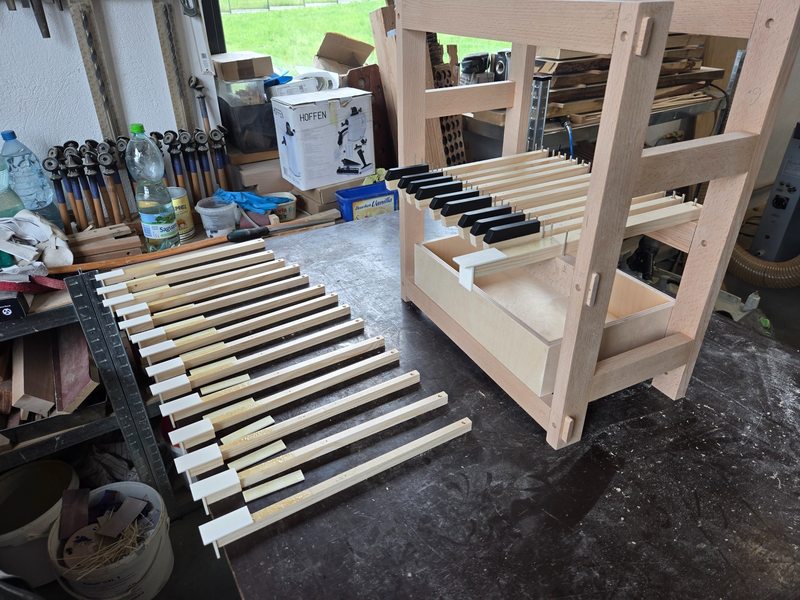
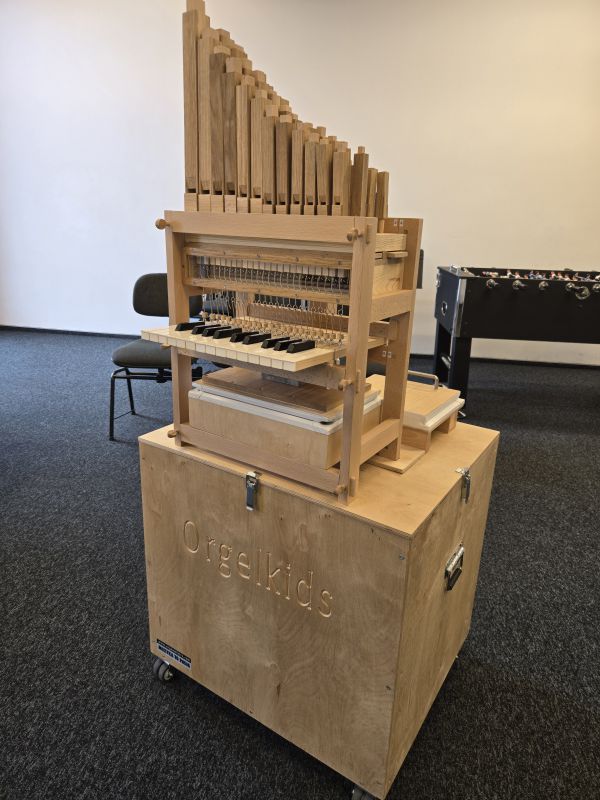
Na zamówienie NOSPR w Katowicach wykonaliśmy model organów Orgelkids (zwanych też „Do-organ"). Powstał na licencji holenderskiej firmy Verschueren Orgelbouw. To część międzynarodowego projektu, którego celem jest popularyzacja wiedzy o budownictwie organowym wśród dzieci i młodzieży.
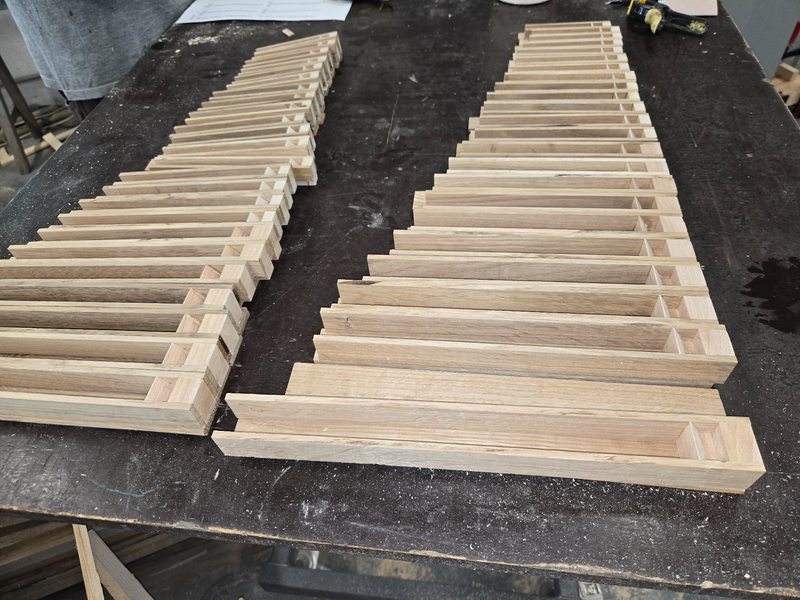
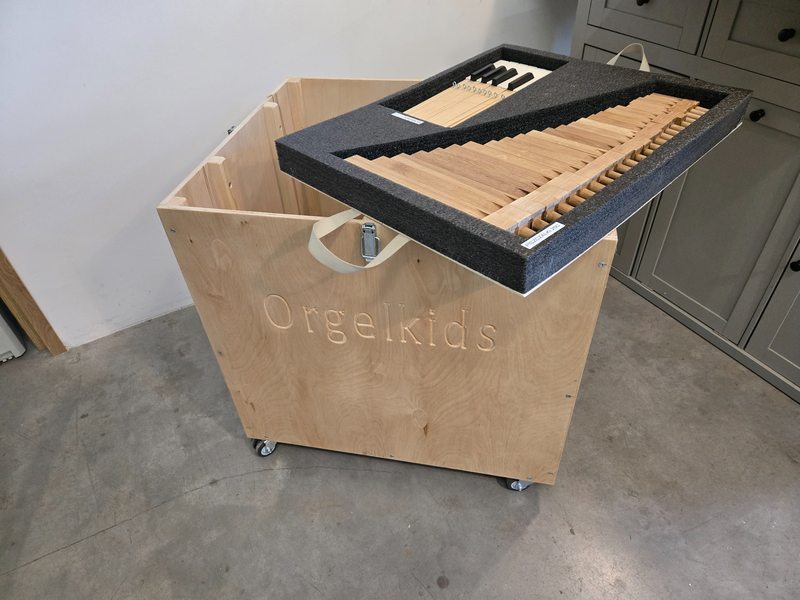
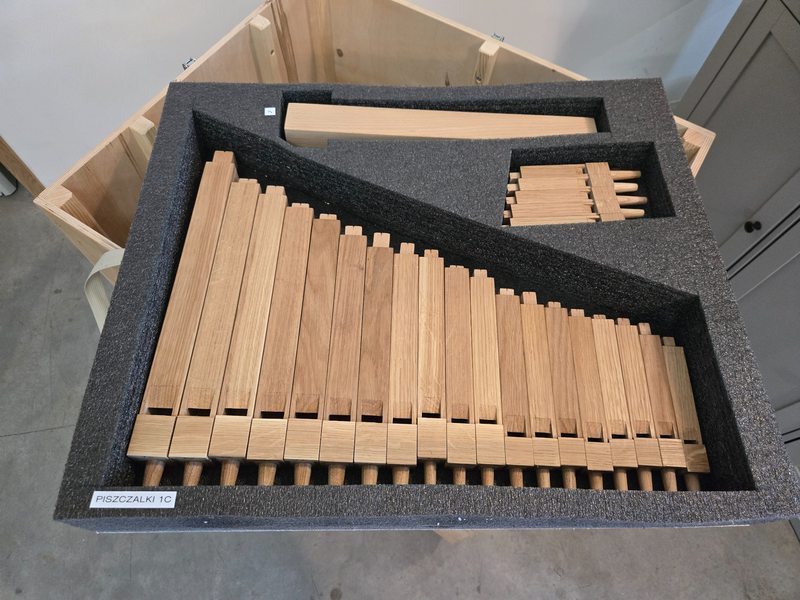
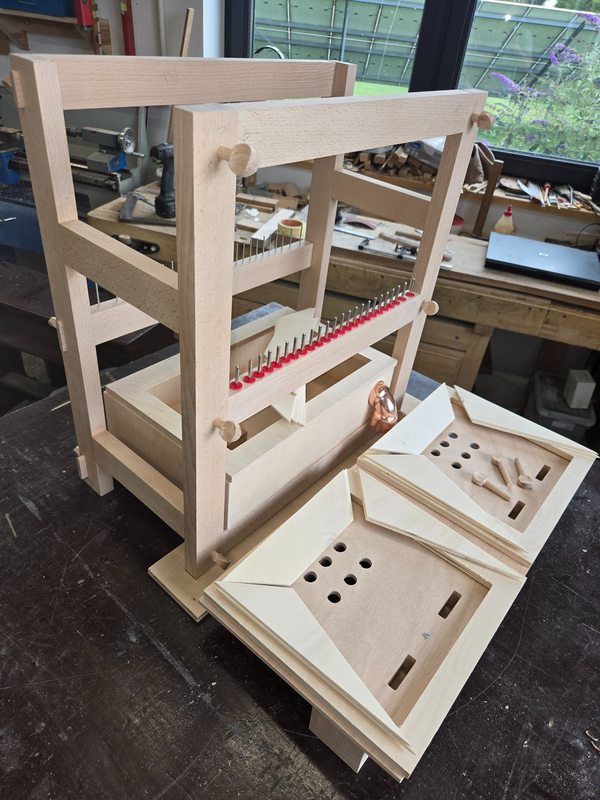
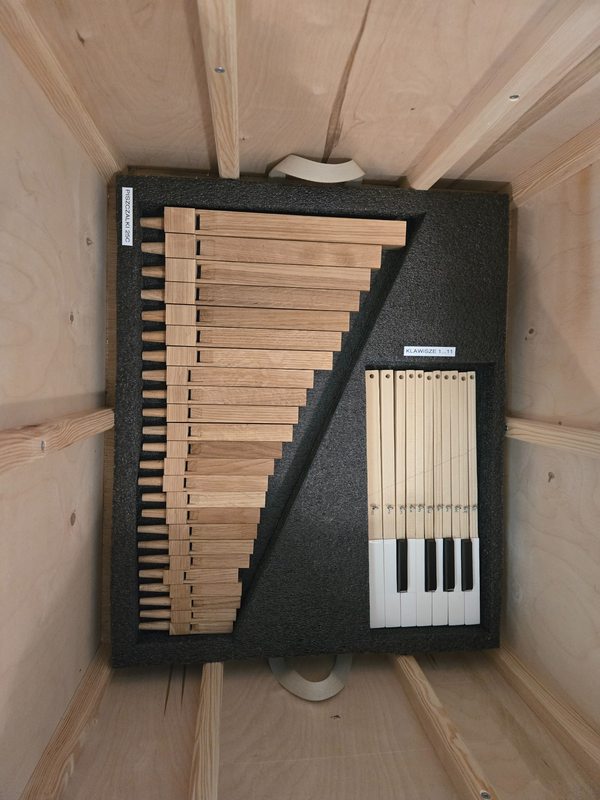
Organy w pudełku Orgelkids to mechaniczne, dwugłosowe organy piszczałkowe, dostarczane w skrzyni jako zestaw wszystkich części potrzebnych do zbudowania prawdziwego instrumentu. Dzieci składają go samodzielnie, z niewielką pomocą organmistrza lub organisty. Konstrukcja jest prawie samoucząca się: prowadzą przez nią ilustrowane karty instruktażowe.
Budowanie jako zabawa i nauka Zadania można dzielić na grupy, które pracują równocześnie: jedna buduje ramę, druga sortuje piszczałki, trzecia klawisze. Na końcu wszystkie elementy trafiają do ramy: wiatrownica, miech, klawiatura i piszczałki. Wtedy zaczyna się najlepsza część, czyli granie. Organy zaprojektowano tak, by można je było wielokrotnie montować i demontować. Dzieci odkrywają budowę i zasadę działania instrumentu, dotykając jego części i zadając pytania techniczne. Dlatego mówi się o „Do-organ" (organach „do działania"), a nie o organach pokazowych.
Skąd pochodzi pomysł Organy zaprojektował holenderski organmistrz Wim Janssen, dawniej związany z firmą Verschueren Orgelbouw. Program edukacyjny opracowała Lydia Vroegindeweij z fundacji Orgelkids. Projekt rozpoczął się w Holandii i działa dziś w wielu krajach świata.
Dla kogo Orgelkids sprawdza się na lekcjach muzyki, w warsztatach, podczas koncertów edukacyjnych i w pracy z grupami dziecięcymi. Dzieci mogą nie tylko usłyszeć organy, ale też zobaczyć, jak są zbudowane od środka, i same je zbudować. Nasz udział Jesteśmy gotowi wykonać Orgelkids także dla Twojej szkoły, parafii czy instytucji kultury. Zapraszamy do kontaktu.
Orgelkids: the organ children build themselves At the request of the National Polish Radio Symphony Orchestra (NOSPR) in Katowice, we built an Orgelkids organ model (also known as the "Do-organ") under licence from the Dutch company Verschueren Orgelbouw. It is part of an international project that aims to spread knowledge of organ building among children and young people.
An organ in a box Orgelkids is a mechanical, two-rank pipe organ supplied in a case as a kit containing all the parts needed to build a real instrument. Children assemble it themselves, with a little help from an organ builder or an organist. The design is almost self-teaching, guided by illustrated instruction sheets.
Building as play and learning The tasks can be divided among groups working at the same time: one builds the frame, another sorts the pipes, a third sorts the keys. In the end, all the elements come together in the frame: the windchest, bellows, keyboard and pipes. Then comes the best part: playing. The organ is designed to be assembled and disassembled again and again. Children discover how the instrument is built and how it works by handling its parts and asking technical questions. That is why it is called a "Do-organ" rather than a demonstration organ.
Where the idea comes from The organ was designed by the Dutch organ builder Wim Janssen, formerly of Verschueren Orgelbouw. The educational programme was developed by Lydia Vroegindeweij of the Orgelkids foundation. The project began in the Netherlands and now operates in many countries around the world.
Who it is for Orgelkids works well in music lessons, workshops, educational concerts and work with groups of children. Children can not only hear an organ, but also see how it is built on the inside, and even build one themselves.
Our role We are ready to build an Orgelkids organ for your school, parish or cultural institution as well. Get in touch: [contact].